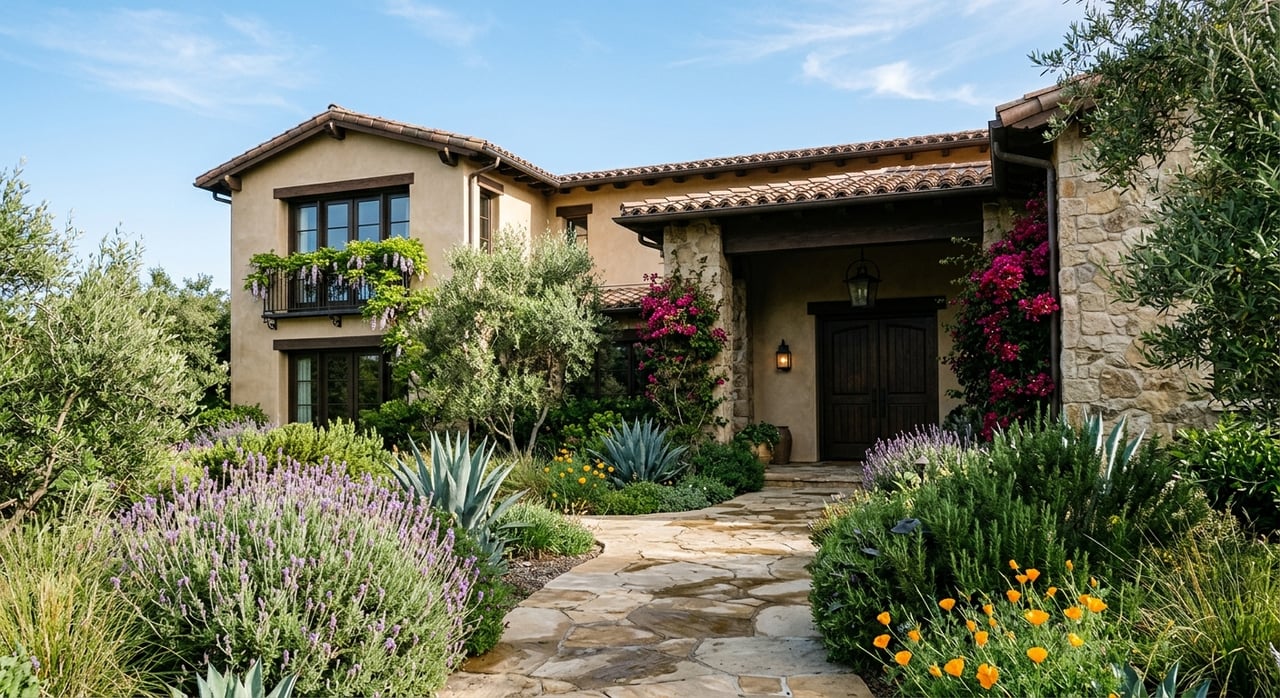
Thinking about moving up from Burlingame to Hillsborough? You are not just shopping for a bigger house. You are stepping into a different kind of property, a different approval environment, and a much larger financial decision. If you want to make that move with fewer surprises, this guide will help you understand what changes, what to plan for, and how to time your next steps. Let’s dive in.
Why Hillsborough Feels Different
A move from Burlingame to Hillsborough often changes your day-to-day experience before you even walk through the front door. Hillsborough is built around very low-density single-family development, with a minimum lot size of one-half acre for new lots. By contrast, Burlingame’s housing element notes a much smaller baseline residential lot pattern, with minimum lot sizes generally starting at 5,000 square feet.
That difference usually translates into more space between homes, deeper setbacks, and more room for landscaping. It can also create a more private feel, though the exact experience still depends on the lot’s shape, tree cover, and the placement of neighboring homes. In other words, lot size matters, but site planning matters too.
Lot Size and Setbacks Matter
In Hillsborough, the Town says the only accurate way to determine lot size is a survey. That is important if you are comparing properties and assuming one parcel gives you more usable space than another. A listing can give you a starting point, but a survey gives you clarity.
Hillsborough also applies development standards that affect how a home sits on the land. These include floor area ratio limits, 25-foot street setbacks on 50-foot rights-of-way, 20-foot interior setbacks, and added setback requirements for homes of 8,000 square feet or more. If you are moving up for more indoor and outdoor room, those rules are worth understanding early.
Design Review Is a Big Part of Ownership
One common mistake is assuming that buying in Hillsborough means you can freely change the exterior later. In reality, both Burlingame and Hillsborough use design review. The difference is that Hillsborough’s review reaches into many more types of exterior changes.
According to the Town, most exterior changes require design approval. That can include additions, fencing, landscaping, color or material changes, and re-roofing. If your move-up plan includes updates after closing, build extra time into your schedule for planning, review, and permitting.
Hillsborough Rewards Cohesive Design
Hillsborough’s Residential Design Guidelines emphasize landscape setting, curving roads, abundant planting, and architectural diversity. The Town recognizes a range of home styles, including Romanesque, Victorian, Bay Region, French Eclectic, Tudor, California Ranch, and Modernism. That variety gives buyers options, but it does not mean anything goes.
The practical takeaway is simple: Hillsborough usually rewards homes that feel well-composed. Massing, materials, and landscape design tend to matter as much as square footage. The Town also cautions buyers not to assume that a maximum theoretical buildout will be approved, since projects are reviewed case by case for design quality and neighborhood compatibility.
What the Price Gap Means
The financial jump from Burlingame to Hillsborough is substantial. As of May 2026, Redfin reported a median sale price of about $7.1 million in Hillsborough compared with about $3.1 million in Burlingame. That gap means your move-up strategy needs to be built around both equity and financing, not just wish-list features.
The pace of each market matters too. Redfin reported Hillsborough homes taking about 11 days to sell and averaging about 4% above list price, while Burlingame homes took about 10 days and averaged about 6% above list price. Both markets can move quickly, which is why planning before you start touring seriously can make a real difference.
Plan Your Financing Early
If you are moving up, financing needs to be one of your first conversations. A preapproval letter shows a lender’s tentative willingness to lend up to a certain amount, but it is not a guaranteed loan offer. It is still important because sellers often want to see one before accepting an offer.
You should also think through how much of your Hillsborough purchase depends on proceeds from your Burlingame sale. If you need those sale proceeds to close comfortably, that affects your offer strategy, your timing, and your risk level. Getting clear on that early can help you move with more confidence.
Contingent or Non-Contingent?
For many move-up buyers, a contingent purchase is the safer choice. It can help protect you if you need to sell your Burlingame home first or if you want to avoid carrying two homes at once. It can also give you more room to manage the transition carefully.
A non-contingent purchase may be stronger in a competitive situation, but it usually requires more liquidity and a better backup plan. Since both Burlingame and Hillsborough can move quickly, the right approach depends on your available cash, financing structure, and comfort with short-term risk.
Bridge Financing May Help
If you need to buy before your Burlingame sale closes, bridge or swing financing may be one option. Fannie Mae recognizes bridge or swing loans as an acceptable source of funds, but the lender must document that you can carry the payments on your current home, your new home, the bridge loan, and other obligations. That is a high bar, so this route works best when your finances are well organized.
Fannie Mae also says bridge loans cannot be cross-collateralized against the new property. That detail matters because it affects how the loan is structured. If bridge financing is on your radar, it is wise to explore it well before you are writing offers.
Understand Property Tax Changes
When you move from Burlingame to Hillsborough, property taxes deserve careful attention. San Mateo County says base year values generally cannot rise by more than 2% annually under Proposition 13 unless there is a qualifying change in ownership or new construction. The county also requires notice of ownership changes.
The California Board of Equalization adds that a qualifying event can trigger supplemental assessments and supplemental tax bills. Those bills are separate from the regular annual property tax bill and are sent to the owner rather than the lender. For move-up buyers, that means your cash planning should include more than just the down payment and closing costs.
A Practical Move-Up Timeline
A smooth move usually starts with preparation, not property tours. Before you fall in love with a Hillsborough home, it helps to know your financing position, your likely Burlingame sale proceeds, and whether your purchase needs to be contingent. That upfront work can make the rest of the process far less stressful.
A practical sequence often looks like this:
- Get preapproved.
- Estimate your likely net proceeds from your Burlingame sale.
- Decide whether your Hillsborough purchase should be contingent.
- Build a flexible closing window.
- If you plan to renovate after closing, factor in Hillsborough design review and permitting time.
The closing process itself can still take several weeks. CFPB notes that the loan closing and home-purchase closing typically happen at the same time, but the process may take time as signatures and final steps are completed.
Think Beyond the Purchase Price
When buyers move up, it is easy to focus on list price and monthly payment. In Hillsborough, you should also think about the property as a full package. Lot conditions, setbacks, landscaping, privacy, future design plans, and approval timelines all affect how well a home fits your goals.
That is especially true if you hope to personalize the property after closing. A home that seems like a perfect canvas may come with a more involved review process than you expected. Looking at the purchase through both a lifestyle and planning lens can help you make a smarter decision.
Why Preparation Creates Leverage
The best move-up plans usually feel calm on the surface because the important decisions were made early. When you know your sale strategy, your likely proceeds, your financing path, and your tolerance for risk, you can act faster when the right Hillsborough property appears. That kind of preparation can be a real advantage in two fast-moving Peninsula markets.
If you are considering a move from Burlingame to Hillsborough, the goal is not simply to buy more house. It is to move into the next chapter with a clear plan for timing, design constraints, and long-term comfort. That is where thoughtful, local guidance can make the process much easier.
If you are weighing a move-up and want a tailored plan for selling in Burlingame and buying in Hillsborough, Sandra Comaroto can help you map out the timing, pricing, and property strategy with care.
FAQs
What changes when you move from Burlingame to Hillsborough?
- You are usually moving to a larger lot with deeper setbacks, more space between homes, and more extensive design review for exterior changes.
What should buyers know about Hillsborough lot size rules?
- Hillsborough says the minimum lot size is one-half acre for new lots, legally created smaller lots can still support one home, and a survey is the only accurate way to determine lot size.
What exterior changes need approval in Hillsborough?
- The Town says most exterior changes require design approval, including many additions, fencing, landscaping, color or material changes, and re-roofing.
What is the price difference between Burlingame and Hillsborough?
- As of May 2026, Redfin reported a median sale price of about $3.1 million in Burlingame and about $7.1 million in Hillsborough.
What is a safer move-up strategy from Burlingame to Hillsborough?
- A contingent purchase is often the safer path if you need sale proceeds from your Burlingame home or want to avoid carrying two homes at once.
What should buyers know about supplemental taxes in San Mateo County?
- A qualifying change in ownership can trigger supplemental assessments and supplemental tax bills, which are separate from the regular annual property tax bill and are sent to the owner.