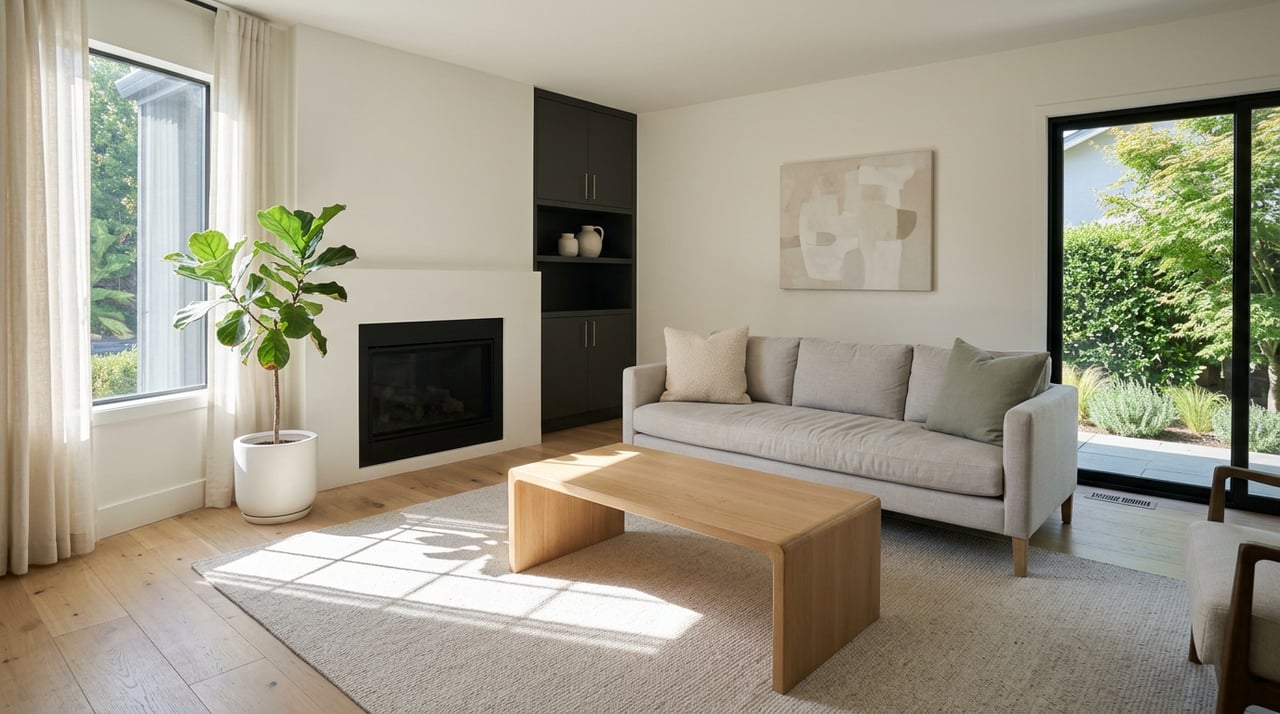
Selling your Burlingame home should feel organized and confident, not rushed and reactive. You want strong offers, a smooth escrow, and a timeline that fits your life. The key is a clear plan that focuses on the right fixes, legal must-dos, and standout presentation for Peninsula buyers. In this guide, you’ll get a step-by-step process built for Burlingame, from permits and sewer lateral checks to staging and pro media. Let’s dive in.
Start with a Burlingame-smart plan
Burlingame’s market can swing from month to month because the number of sales is often small. That means single-month medians can be noisy. You get better results when you target prep to your neighborhood and price tier rather than chasing broad averages.
Location also shapes what buyers value here. Burlingame sits on the Peninsula with Caltrain access, U.S. 101, and proximity to SFO, which keeps commute and convenience top of mind. Many buyers favor move-in-ready kitchens, well-finished baths, a functional home office, and great curb appeal close to amenities. If that sounds like your home’s strengths, you are already on the right track. If not, smart tweaks can get you there. For context on the city’s location and connections, see the Burlingame overview.
Handle required checks first
Confirm permits and plan review
In Burlingame, work that involves structure, electrical, plumbing, or mechanical systems generally requires permits and inspections through the City’s Building Division. Cosmetic projects like interior paint and carpet usually do not need a permit. If you plan to relocate lights, upgrade electrical panels, change plumbing, or open walls, contact the Burlingame Building Division early so you can sequence work and inspections without delays.
Check the sewer lateral requirement
Burlingame is among Peninsula cities that require a sewer lateral test or certification at the point of sale. In practice, you should budget time and funds for a video inspection and any needed repairs. Local sellers often address this before listing to reduce escrow risk. For an overview of the rule and how it works, review the San Mateo County Association of REALTORS® summary of Burlingame’s point-of-sale sewer lateral requirement and this local explainer on Burlingame, Hillsborough, and San Mateo sewer lateral tests. Always confirm specifics for your property since methods and exemptions can vary.
Know your disclosure duties
California law requires most sellers of 1–4 unit residential property to provide a Transfer Disclosure Statement and to disclose known material facts that affect value or desirability. If your pre-sale prep uncovers issues, you must disclose what you learn. Review the Transfer Disclosure Statement requirements in the California Civil Code.
Inspect and assess your home’s condition
A pre-listing home inspection gives you a clear picture of what buyers and their inspectors are likely to find. You can fix high-priority items on your timeline, price accordingly, or disclose upfront. This often reduces last-minute renegotiations and stress.
Focus on the systems buyers worry about
Ask your inspector to pay close attention to the roof, foundation and settlement signs, HVAC, electrical panel and outlets, plumbing and supply lines, and any evidence of water intrusion or mold. Confirm water heater bracing and that smoke and carbon monoxide detectors are present and working. If the general inspection flags concerns, bring in specialists like a roofer, structural engineer, or plumber for targeted follow-ups. Any issues you learn about should be captured in your disclosures, which protects you and builds buyer trust.
Verify permit history and unpermitted work
If you completed major upgrades over the years, pull the permit history so you understand what was permitted and closed out. Unpermitted work should be disclosed. In some cases, retroactive permitting may be advisable to reassure buyers. The Burlingame Building Division can guide you on records and next steps.
Confirm safety basics
Before you list, confirm smoke and CO detectors are installed to code, the water heater is properly braced, and GFCI outlets are present in kitchens and baths where required. These small items reduce red flags during buyer inspections and tie directly to your disclosure obligations.
Prioritize improvements that move the needle
Mandatory and safety first
Address required items early. That includes electrical hazards, the sewer lateral test and any repairs, and permit-triggering work that could delay closing. These are not discretionary and are best handled before cosmetic updates to avoid rework.
High-impact, lower-cost wins
First impressions matter in Burlingame. Refresh your curb appeal with clean landscaping, a tidy walkway, and a welcoming front door. Inside, a deep clean, decluttering, and fresh neutral paint can transform how buyers feel when they enter. Swapping dated light fixtures and cabinet hardware is a cost-effective way to modernize. Industry analyses like Zonda’s Cost vs. Value consistently show that exterior replacements and simple refreshes often recoup a strong share of their cost on resale. Review the latest patterns in the Cost vs. Value report.
Kitchens and baths: refresh over full gut
For most sellers, a focused refresh is smarter than a full remodel before listing. Consider painting or refacing cabinets, updating counters and faucets, and modernizing lighting. These targeted changes give a move-in-ready feel without the time and disruption of major construction. Cost vs. Value data often places minor kitchen projects among stronger midrange performers relative to full-scale overhauls.
Systems and energy upgrades
Buyers value reliable systems and a roof in good condition. In some parts of the Bay Area, energy efficiency and comfort upgrades can help a home stand out. Weigh larger investments against neighborhood comps and expected time in market so you do not overspend. For a Bay Area view on renovation ROI nuances, see this regional appraisal perspective.
Stage, photograph, and present with intent
Research from the National Association of REALTORS® finds that staging helps buyers visualize a property, can shorten time on market for many listings, and is reported by agents to sometimes increase offers. If budget is limited, prioritize the living room, primary bedroom, and kitchen. These rooms typically deliver the strongest impact per dollar. Explore the findings in NAR’s home staging report.
Plan photography for the day staging finishes and after a final clean. Use an experienced real estate photographer who can produce bright interiors and compelling exteriors. Add a 3D tour if your layout benefits from it. Virtual staging is a lower-cost option for vacant rooms and can help buyers understand scale and furniture placement.
A realistic 4–8 week timeline
- Week 0: Strategy session with your agent, order a pre-listing inspection, confirm sewer lateral requirements, and identify any permit triggers.
- Weeks 1–2: Gather contractor bids, select finishes for quick-refresh items, and submit permits early for any plan review. Coordinate with the Building Division on timing.
- Weeks 2–4: Complete required systems fixes and any permitted work. Start paint and landscaping as trades finish in each area of the home.
- Weeks 3–5: Stage key rooms, complete a deep clean, and schedule professional photos and media.
- Go live: Review and approve photos and listing copy. Launch when the home and media are fully ready.
Lead times vary by vendor and season. Specialty trades, custom materials, and sewer lateral repairs can extend the schedule. Build in a 10 to 20 percent time buffer for critical path items so you can list with confidence.
Budgeting and hiring the right team
- Get at least three bids for work over $5,000 so you can compare scope and schedule. Confirm the contractor’s license and insurance, ask for a clear written scope, payment schedule, and lien release language. This quick guide outlines what to verify when selecting a contractor for remodeling projects in California: how to choose a general contractor.
- Keep inspection reports, receipts, and permit sign-offs organized. These strengthen buyer confidence and smooth disclosures.
- If you prefer not to pay upfront for prep, some broker programs front improvement costs and collect repayment at closing. For example, Compass Concierge offers a structured way to fund staging and targeted renovations. Review how it works and the tradeoffs here: Compass Concierge. Program terms and eligibility vary, so discuss what fits your goals.
Quick seller checklists
Minimum prep (fast and cost-conscious)
- Declutter and donate or store items to open up rooms.
- Deep clean throughout and touch up paint where needed.
- Repair obvious defects like leaky faucets or missing switch plates.
- Hire professional photography for bright, accurate images.
Moderate prep (best fit for most Burlingame homes)
- Order a pre-listing inspection and address safety and required items, including the sewer lateral test if applicable.
- Refresh landscaping, paint interiors in a neutral palette, and update easy lighting and hardware swaps.
- Stage the living room and primary bedroom, then add the kitchen if budget allows.
- Launch with professional photos and a 3D tour for an immersive online experience.
Full prep (competitive tier or higher price point)
- Everything in moderate prep, plus targeted remodels justified by neighborhood comps, such as a minor kitchen refresh or hardwood refinishing.
- Consider systems or energy upgrades when they materially improve buyer appeal for your segment.
- Use a fronted-cost program if it fits your timing and cash flow preferences.
Launch-day essentials
- Complete staging and a final clean before photos.
- Schedule photography for good natural light and confirm all bulbs match in color temperature.
- Double-check small details: new doormat, tidy porch, organized closets, and hide cords and personal photos.
- Prepare a neat disclosure packet that includes inspection summaries, receipts, and permit approvals.
You do not have to manage this alone. With a clear plan, the right sequence, and professional presentation, you can bring your Burlingame home to market with confidence and maximize your results. If you would like a tailored prep plan, local vendor introductions, and concierge-style coordination from start to finish, reach out to Sandra Comaroto for a personal consultation.
FAQs
What are the first steps to prepare a home for sale in Burlingame?
- Start with a strategy session, order a pre-listing inspection, confirm permit needs with the Burlingame Building Division, and verify whether a sewer lateral test applies to your property.
Do I need permits for home prep work in Burlingame?
- Cosmetic work like paint usually does not, but anything involving structure, electrical, plumbing, or mechanical systems typically requires permits and inspections; contact the Building Division for guidance.
Is a sewer lateral test required when selling in Burlingame?
- Burlingame has a point-of-sale sewer lateral requirement, so plan for a test and possible repairs; review the local overview from SAMCAR and confirm details for your property.
What disclosures are required for California home sellers?
- Most sellers must provide a Transfer Disclosure Statement and disclose known material issues; see the California Civil Code for the requirements.
Which upgrades deliver the best ROI before selling?
- Curb appeal improvements, fresh neutral paint, and minor kitchen or bath refreshes tend to have strong resale impact; review patterns in the Cost vs. Value report and weigh larger investments against your neighborhood comps.
How long does it take to prepare and list a Burlingame home?
- Many sellers can complete prep in 4 to 8 weeks, depending on scope, permit needs, vendor lead times, and whether sewer lateral repairs are required.
What is Compass Concierge and how can it help me sell?
- It is a program that can front the cost of approved staging and improvements with repayment at closing; explore details and eligibility at Compass Concierge, then discuss fit with your agent.