What draws you to Burlingame? Maybe it is the tree-lined streets, lively downtown blocks, or the easy jump to San Francisco and Silicon Valley. If you are weighing a move, you want a clear, honest picture of daily life, housing, schools, and commute realities. This guide gives you the essentials so you can decide if Burlingame fits your priorities. Let’s dive in.
Burlingame at a glance
Burlingame is a compact Peninsula city of roughly 30,000 residents with a small-city feel. Most neighborhoods sit within a short drive or bike ride of the Burlingame Avenue and Broadway downtowns. You get a walkable, village-like core surrounded by primarily residential streets.
You will experience a classic Peninsula Mediterranean climate. Winters are mild and wetter, summers are warm and mostly dry. Expect cool, foggy mornings in some areas and slightly warmer conditions farther from the Bay. Outdoor time is year-round, especially on weekends.
For city services, parks, and community updates, start at the City of Burlingame website.
Neighborhood feel and daily life
The heart of daily life centers on Burlingame Avenue and Broadway. You will find boutique shops, cafes, restaurants, and everyday services along both corridors. Many residents enjoy walking for coffee and errands, then heading home to quieter residential blocks nearby.
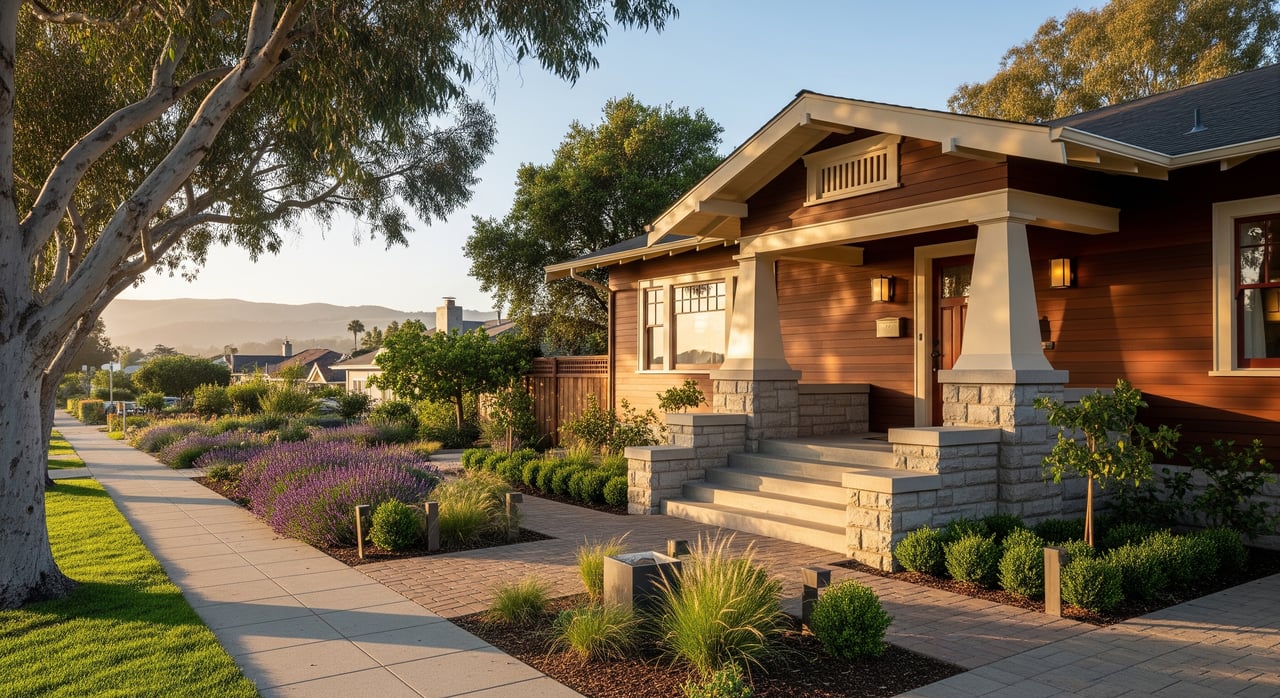
Neighborhoods offer a mix of architectural styles and settings. You will see early-20th-century Craftsman homes and bungalows, mid-century ranch homes, Mediterranean-inspired designs, and newer renovations. Hillside pockets bring Bay and hillside views, while the flats closer to downtown place you near shopping and dining.
Walkability varies by location. The downtown cores score well on Walk Score, so many errands can happen on foot. Outside the core, streets feel more suburban, and most residents drive for groceries or school pick-up. Larger retail options are nearby in surrounding Peninsula cities.
Housing and market snapshot
Single-family homes make up much of Burlingame’s housing. You will also find condos, townhomes, and small apartment buildings, especially along major corridors and near the Caltrain line. New large-scale development is limited, so most change happens through remodels, additions, and infill projects.
Burlingame is a higher-cost market within the Bay Area. Single-family homes commonly sell in the multi-million dollar range, while condos and townhomes offer a more accessible entry point but remain well above national medians. Prices vary by block, lot size, renovation level, and proximity to downtown and transit.
If you plan to buy, consider your tradeoffs. You might prioritize a smaller home near Burlingame Avenue, look for more space a bit farther out, or consider a condo or townhome for a lower purchase price. For current numbers, review recent local sales and consult real-time market reports. If you are selling, thoughtful home preparation and targeted marketing can make a measurable difference in timing and price.
Zoning preserves many single-family areas, with higher-density housing focused near transit corridors. If you are thinking about adding space or an accessory dwelling unit, review local zoning and permitting rules through city planning.
Getting around and commutes
Caltrain is a key advantage if you work in San Francisco or the Peninsula. From Burlingame Station, typical rail times can be about 20 to 25 minutes to San Francisco on express service from the nearby Millbrae/Burlingame area, and longer on local trains. Rides to downtown Palo Alto often run about 20 to 30 minutes depending on the train. Check the Caltrain schedule for current timetables and service updates.
SamTrans operates multiple bus routes through Burlingame and neighboring cities. If you plan to rely on buses for work or school, review SamTrans bus routes and frequency before you commit to a location.
For drivers, US-101 and El Camino Real provide the main north-south arteries. Off-peak, you can reach downtown San Francisco in roughly 20 to 30 minutes, though peak-hour congestion can extend travel times. Southbound toward Palo Alto and the rest of Silicon Valley follows the same pattern.
SFO access is a standout. Parts of Burlingame are a 5 to 15 minute drive from the airport, which is a major plus for frequent flyers. Aircraft noise varies by location and time of day. If this is a concern, plan multiple visits to your target blocks and consult official noise and flight-path information.
Schools and learning options
Public schools in Burlingame are served by the Burlingame School District for elementary and middle grades and the San Mateo Union High School District for high school. Parents often cite strong school options as a reason to choose Burlingame. For school-specific ratings, programs, and enrollment details, consult both district websites and GreatSchools. Always verify attendance boundaries directly with the districts, since boundaries can change.
Private and parochial schools operate in and near Burlingame as well. If you are exploring private education, look at application timelines, tuition, and waitlist realities early in your search.
Parks, recreation, and care
You have easy access to neighborhood parks, including Washington Park with open lawns, play areas, and community events. The city also runs programs and classes through its recreation department and public libraries. For updates on facilities and programming, visit the City of Burlingame site.
Regional open space is close by. The shoreline parks and trails at Coyote Point and segments of the Bay Trail are a short drive away. For trail maps, picnic areas, and event calendars, check San Mateo County Parks. Runners and cyclists often head to Sawyer Camp Trail and the Crystal Springs Reservoir area for scenic miles.
Healthcare is anchored by Mills-Peninsula Medical Center in Burlingame, part of Sutter Health. You will also find specialty clinics and medical offices throughout the Peninsula, which gives you a broad range of providers within a short radius.
Pros and tradeoffs
Here is a quick snapshot to help you weigh fit:
Pros
- Walkable, village-like downtowns with shops, dining, and services in close reach.
- Strong transit access via Caltrain and very short drives to SFO.
- Parks, community programs, and nearby regional open spaces.
- Well-kept residential streets and a stable community feel.
Tradeoffs
- High housing costs and competitive bidding for desirable homes.
- Limited new inventory, so patience and preparation matter.
- Variable aircraft noise due to SFO proximity depending on location.
- Peak-hour congestion on US-101 and El Camino Real.
If safety is a key consideration, review recent, block-level data through Burlingame Police Department reports and compare trends to neighboring cities before you decide.
Is Burlingame a fit for you?
Start by clarifying how you want to live day to day. Do you want to walk to morning coffee and dinner, or maximize home and yard size? Is a fast Caltrain ride more important than a bigger garage? Being honest about your tradeoffs will simplify your search.
Use this short checklist:
- Visit different times of day. Walk Burlingame Avenue and Broadway, then drive your target blocks on a weekday evening and weekend afternoon.
- Test your commute. Ride Caltrain at your actual work hours or drive US-101 during peak periods to see real travel times.
- Verify schools. Confirm attendance boundaries and compare program offerings with district sites and GreatSchools.
- Review recent sales. Note lot sizes, renovation levels, and price patterns to gauge value for your target streets.
- Check aircraft noise. Visit your target blocks during different wind and weather conditions, and review official flight-path resources.
If you are buying, strong preparation can open doors in a competitive market. Off-market opportunities and early alerts often make the difference. If you are selling, strategic staging and targeted improvements can improve both velocity and outcome.
You do not need to navigate this alone. For tailored neighborhood guidance, off-market sourcing, and concierge-level sale preparation, connect with Sandra Comaroto for a personalized consultation.
FAQs
What is daily life like in downtown Burlingame?
- Expect a walkable, village-style setting with cafes, boutiques, restaurants, and services clustered along Burlingame Avenue and Broadway, plus quiet residential blocks a few streets away.
How long is the Burlingame commute to San Francisco or Palo Alto?
- Caltrain rides can be about 20 to 25 minutes to San Francisco on express service from the Millbrae/Burlingame area, and 20 to 30 minutes to Palo Alto depending on the train; schedules vary, so check the Caltrain schedule.
Are public schools in Burlingame well regarded?
- Burlingame schools are generally seen as strong relative to state averages; verify program offerings and attendance boundaries through district websites and compare school data on GreatSchools.
What housing options are common in Burlingame?
- You will find single-family homes in many styles, plus condos, townhomes, and small apartment buildings near major corridors; most large-scale development is limited, so inventory can be tight.
How does SFO proximity affect living in Burlingame?
- The airport makes travel very convenient, often a 5 to 15 minute drive from parts of the city; aircraft noise varies by location, so visit your target streets at multiple times and review official flight-path and noise resources.
What first steps help me decide if Burlingame is right?
- Visit at different times, test your commute, verify school boundaries, review recent sales on your target blocks, and consult a local agent for neighborhood-level insight and strategy.